
Home – Solar Installation
Residential solar panel systems have become one of the most popular and effective ways for Australian homeowners to reduce energy costs and embrace a cleaner future. At Aussie Energreen, residential solar solutions remain at the heart of what we do, helping families transition to reliable and energy-efficient power.
With rising electricity prices and increasing demand for sustainable living, more Australians are choosing rooftop solar systems to lower their power bills and reduce dependence on traditional electricity grids.
The shift toward renewable energy continues to grow across the country as homeowners look for smarter, long-term energy solutions. Beyond the financial savings, many people are also making the switch to support a greener environment by reducing carbon emissions and contributing to a more sustainable future for the next generation.
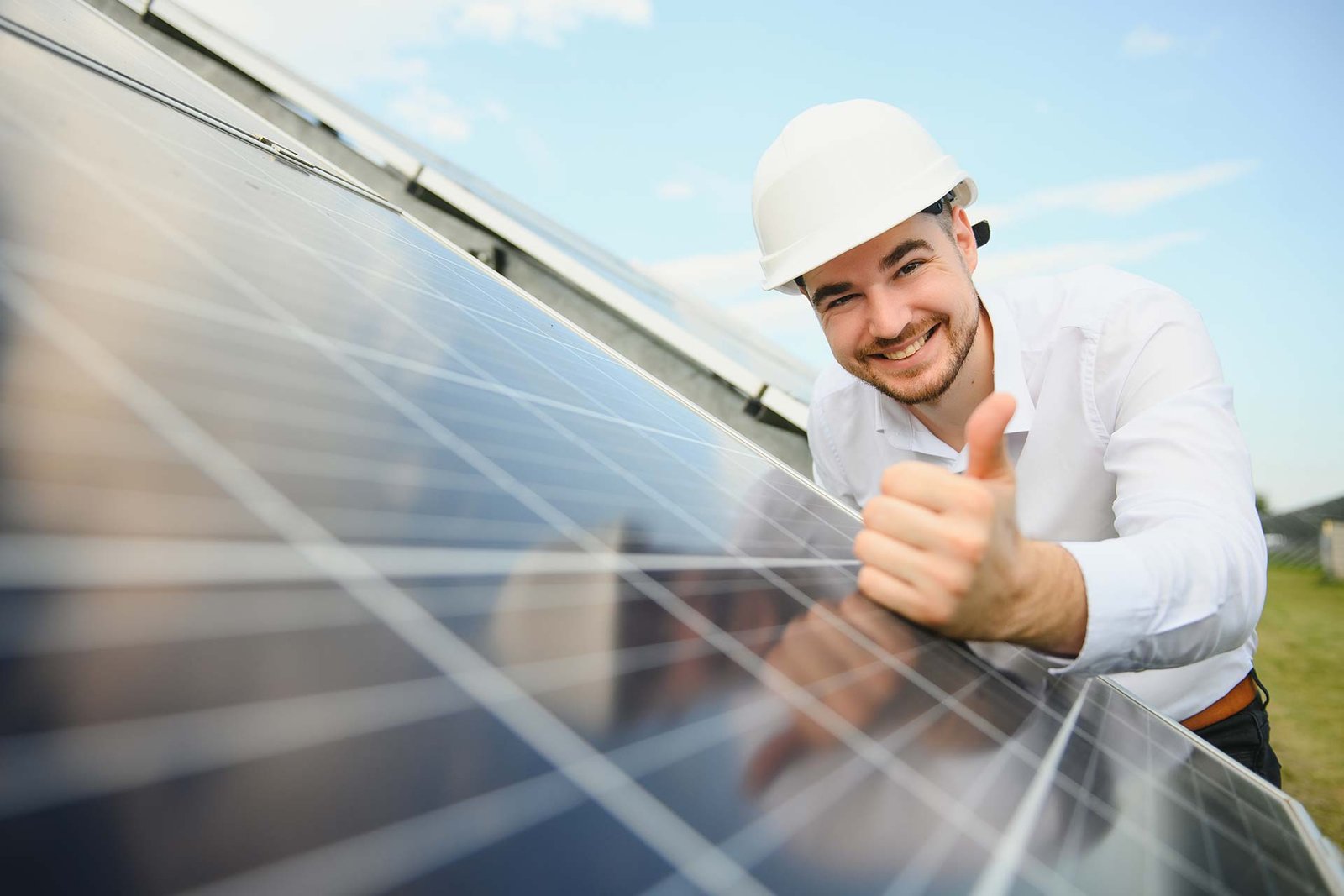
Solar panels work by capturing sunlight and converting it into usable electricity for your home. When sunlight hits the solar panels installed on your roof, the solar cells absorb the sun’s energy and generate Direct Current (DC) electricity.
This electricity then flows to a solar inverter, which converts the DC power into 240-Volt Alternating Current (AC) electricity — the type of power used by most household appliances and electrical systems.
Once converted, the electricity is supplied directly to your home to power lights, appliances, air conditioning, and other everyday electrical devices. This allows your home to use clean and renewable solar energy throughout the day.
In many cases, your solar system may generate more electricity than your household needs. When this happens, the excess energy is exported back to the electricity grid.
For grid-connected systems in Australia, the energy sent back to the grid can earn you credits on your electricity bill through what is known as a feed-in tariff. The amount credited may vary depending on your electricity provider and the time the energy is exported.
By generating your own renewable energy, solar panels help reduce electricity costs, lower reliance on the grid, and support a cleaner, more sustainable future
| System Size | STC Rebate | VIC Rebate | VIC Interest-Free Loan | Estimated Customer Price |
|---|---|---|---|---|
| 6.6 kW Solar System | $1,560 | $1,400 | $1,400 | From $1,000 |
| 7.92 kW Solar System | $1,840 | $1,400 | $1,400 | From $1,700 |
| 10.12 kW Solar System | $2,360 | $1,400 | $1,400 | From $2,800 |
| 13.2 kW Solar System | $3,120 | $1,400 | $1,400 | From $3,500 |
With Aussieenergreen, solar isn’t complicated. It’s reliable, intelligent, and built to perform. Let’s bring clean energy to life together.

Builds trust and signals that your team is open, approachable, and responsive to inquiries.
From technology to timelines, find all the key answers in one simple place.
Eligible Victorian households may access rebates and incentives for solar panels, solar batteries, heat pump hot water systems, and energy-efficient air conditioning through approved government programs.
Eligibility depends on factors such as property location, existing solar system, property value, and current rebate program requirements. Our team can help you check your eligibility.
A solar battery stores excess solar energy for use at night, helping reduce reliance on grid electricity and lowering ongoing energy bills.
Yes. Reverse cycle air conditioning systems provide both heating and cooling while using less energy than many traditional gas heating systems.
Heat pumps can use significantly less electricity than conventional electric hot water systems, helping reduce energy costs while providing reliable hot water year-round.
Most installations can be completed within a few days after approval, depending on the product selected and site requirements.